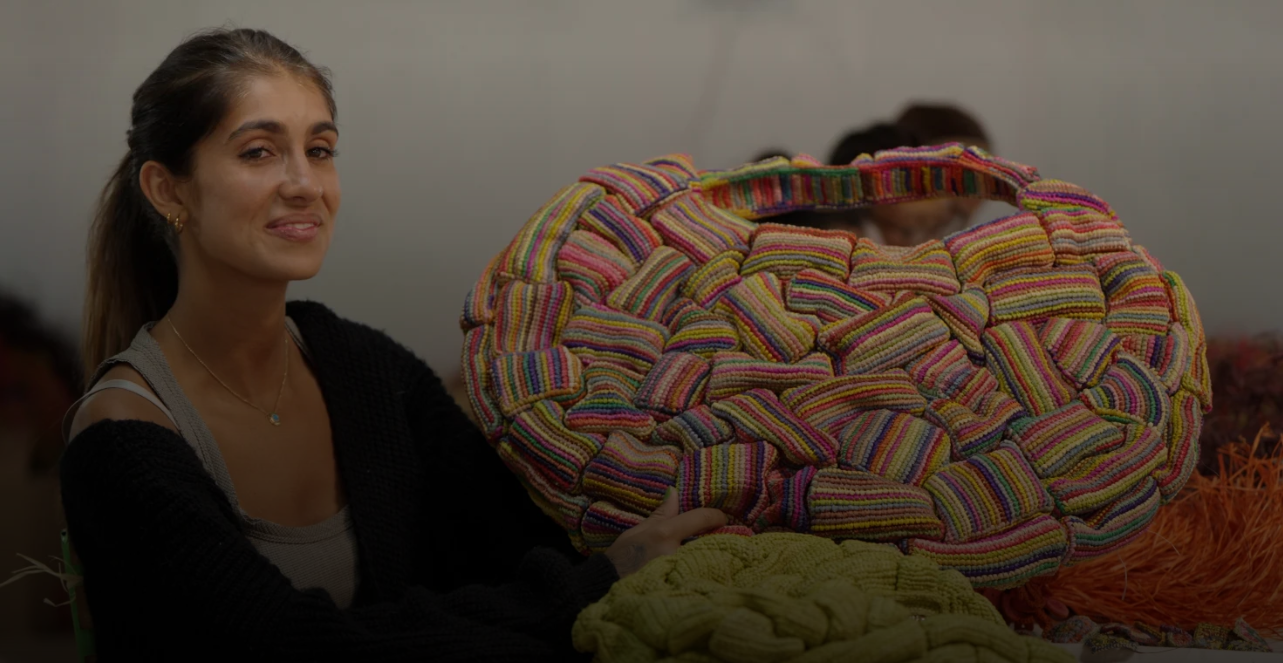
In Europe this summer, it was a sight almost as ubiquitous as the sun: fashionistas weaving their way down Mediterranean beach promenades, London high streets and haute couture centers in Paris carrying earthy-colored, basket or crochet-patterned bags.
The rise of raffia bags was first ignited by 1960s fashion trendsetters like Brigitte Bardot and Jacqueline Kennedy. Once a casual holiday accessory, raffia totes and clutches have blossomed into mass-market must-haves and cornerstone items for luxury fashion houses; Prada, Saint Laurent and Loewe represent just a few of the designer brands to curate raffia products that retail with four-figure price tags.
Yet ask buyers where the intricately arranged palm fibers draped over their shoulders come from, and many might struggle to answer. Though 80% of global raffia demand is sourced from Madagascar, according to the country’s Economic Development Board, the East African country’s age-old connection to the natural material is relatively unknown globally.
In Madagascar, the perception could not be more different. Raffia is woven into the cultural fabric of Malagasy life, explains multidisciplinary designer Domi Sanji, an organic embodiment of the national concept of “fihavanana” — enshrined into the country’s constitution — that emphasizes kinship, community and mutual respect.